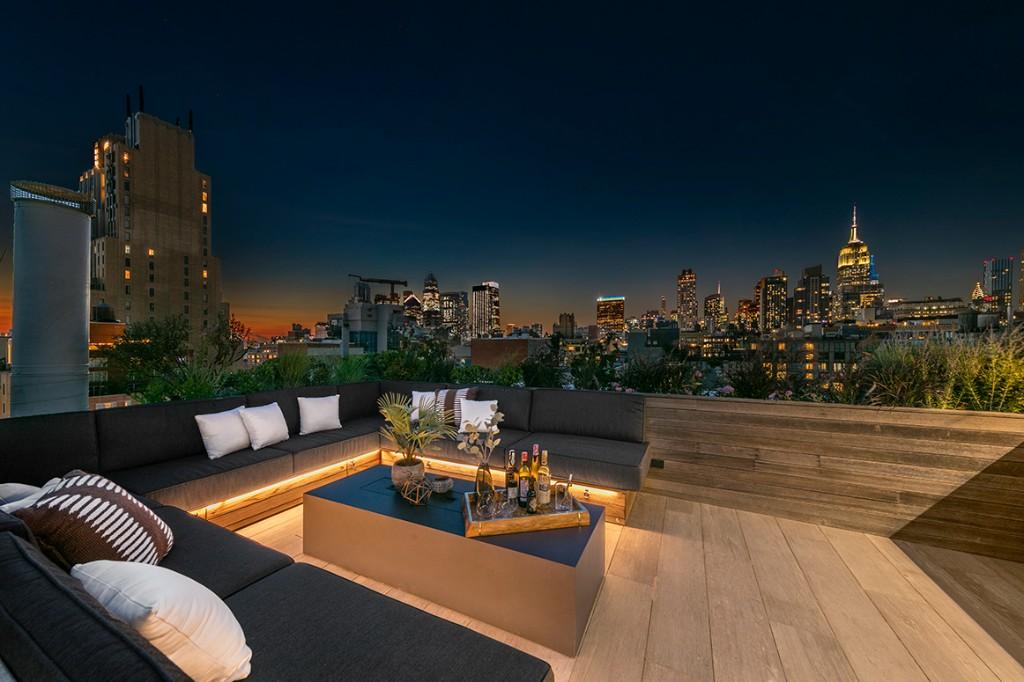

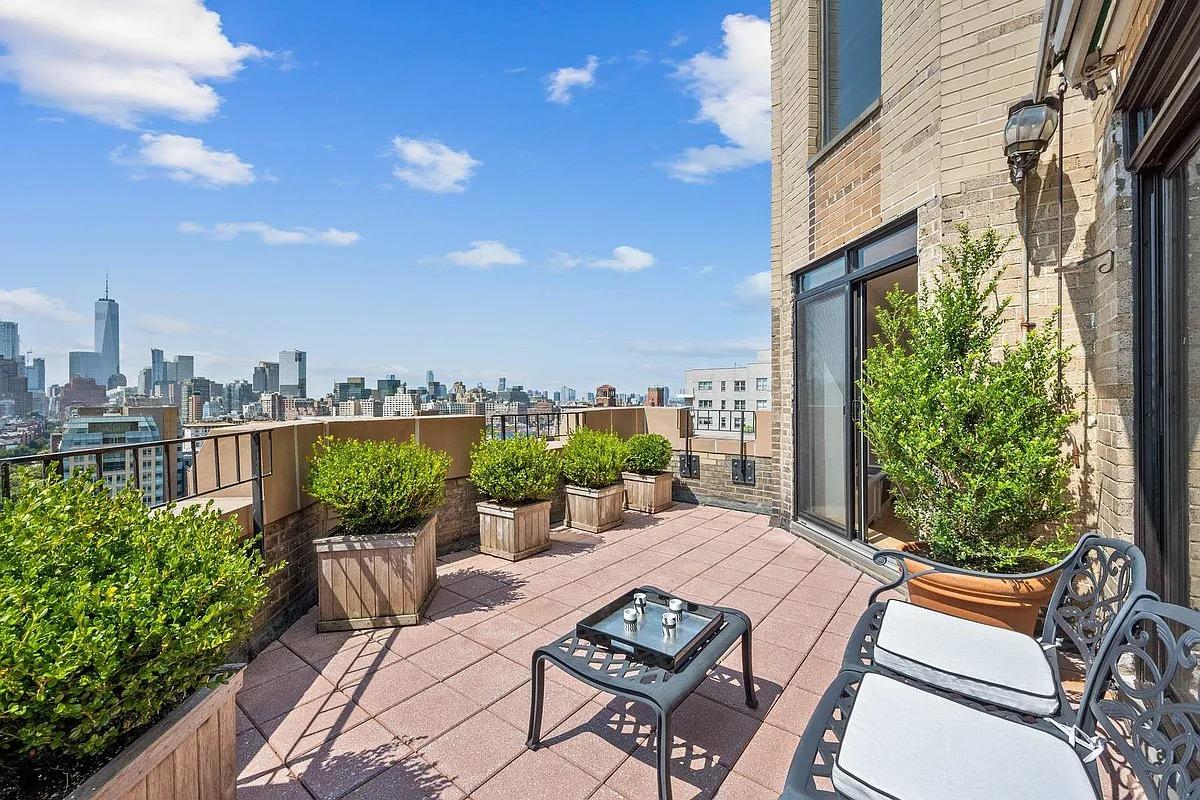
Most agents guess at terrace value. We measure it. Using our proprietary PVI (Percent Value Index), we assess your terrace against every comparable sale in Manhattan — so the price we set isn't an opinion, it's a position.
Request your evaluation →
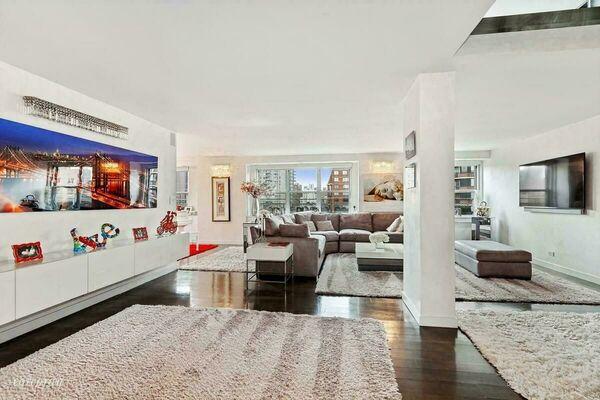
Terrace buyers are a specific kind of buyer. They search differently, they value differently, and they pay differently. TheTerraceExperts.com exists for exactly that buyer — and they come to us already looking.
Explore our reach →
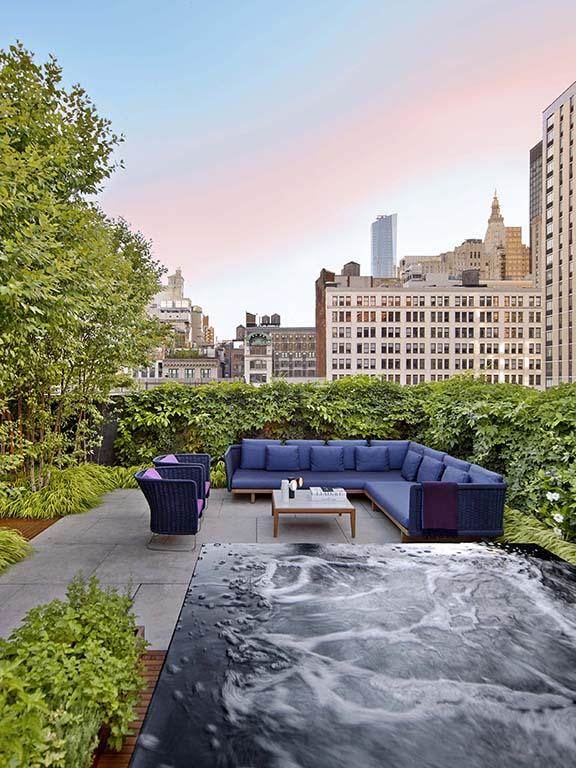
When your agent can explain — with data — why your terrace commands a premium, buyers don't push back. They close. We give them evidence; you get the price.
Get expert representation →The average Manhattan apartment sells for $2.2 million. The average terraced apartment sells for $4.9 million. That gap is real — but only if our agents knows how to find it, price it, and prove it.
Find Out What Your Terrace Is Actually WorthThe Four P's — and why they only work together.
Your terrace isn't priced like an apartment. It shouldn't be. We use PVI — our proprietary valuation framework built on years of Manhattan terrace sales data — to establish a price that is both defensible and aggressive. Buyers who push back on price don't push back on evidence.
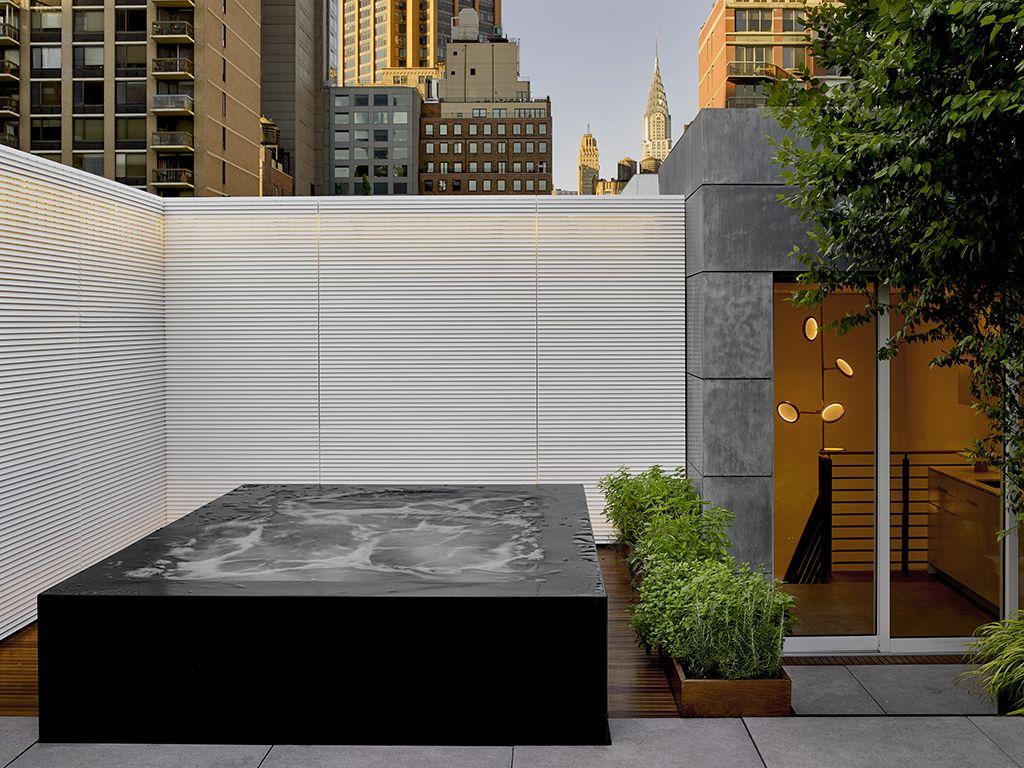
Terrace buyers pay for maturity. A terrace that looks like it took years to become what it is — because it did — commands a premium that a bare deck never will. We evaluate your terrace the way a buyer will see it, and we tell you exactly what that picture is worth before you list.
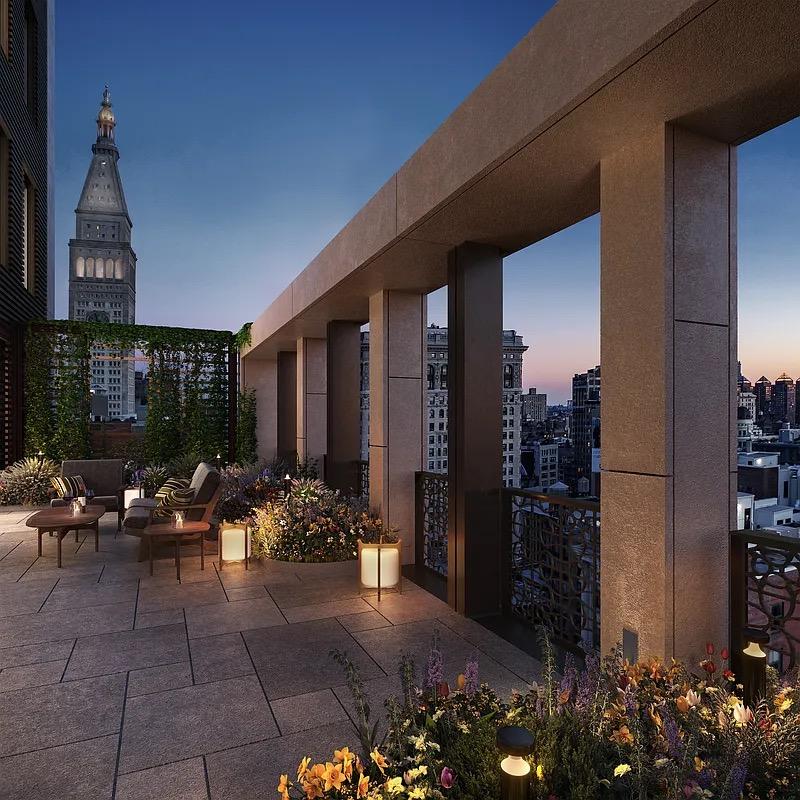
General listing platforms reach everyone. We reach terrace buyers specifically — through TheTerraceExperts.com, targeted outreach, and a database of buyers who have told us, directly, that a terrace is non-negotiable. Your listing doesn't compete for attention here. It's what they came for.
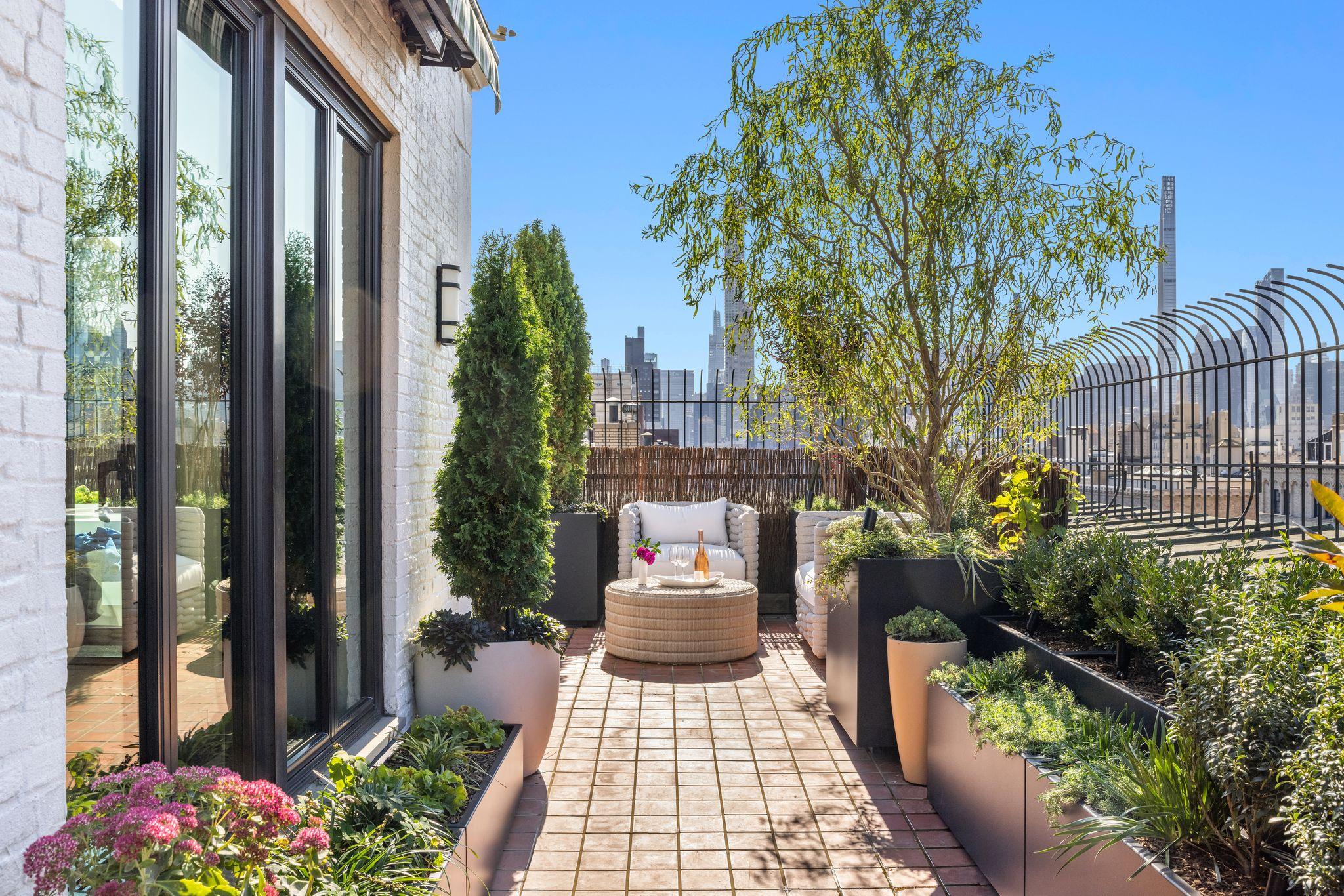
The premium doesn't close itself. We've represented sellers through every kind of buyer objection a terrace attracts — the noise concerns, the maintenance questions, the building unknowns. We know the objections before they're raised, and we know how to answer them.
It depends entirely on the terrace type, size, and quality. A direct living terrace typically adds 25-35% to your apartment’s value, while a roof access terrace might only add 5-10%. We calculate the exact Percent Value Increase (PVI) for each terrace based on accessibility, condition, views, and amenities — not a one-size-fits-all percentage.
In most co-ops and condos, you have a license to use the terrace, but the building owns the structure — including the deck surface, parapet walls, and drainage systems. You can typically add furniture, containers, and temporary installations, but permanent modifications (like built-in planters, pergolas, or structural changes) require board approval, which can take 6-12 months. Always check your building’s alteration agreement first.
Most building-owned terraces in NYC have pavers or tile because they’re part of the building’s roof membrane system. Wooden decking is rare and usually indicates a private terrace where the owner was permitted to install it. If you have pavers, don’t replace them — the waterproofing underneath is the building’s responsibility, and disturbing it violates most proprietary leases.
Direct Living: You step directly outside from your living room or bedroom — seamless indoor/outdoor living. Highest value. Roof Access: You access the terrace through building common areas (elevator, hallway, or stairs). Feels more detached from your home. Lower value because exclusivity is reduced and it’s less convenient for daily use.
Don’t buy mature plants — rent them for staging. Professional staging companies can bring in mature specimens for photos and showings ($3,000-8,000 for a full terrace), then remove them after. Buyers pay for the potential of the terrace, not the plantings. Young plants actually hurt value — they signal “work in progress” rather than “move-in ready.”
In most cases, price as-is. Co-op board approvals for terrace renovations take 6-12 months, and you won’t recoup the full cost. Focus on what you can do without approval: professional power washing, furniture staging, and lighting. If the terrace is in truly poor condition (cracked pavers, dead plants, peeling paint on your furniture), price accordingly and let the buyer handle it.
They order an engineer’s report during due diligence. If your building recently replaced the roof membrane (check your alteration history), that’s a huge selling point. If there’s any history of leaks, disclose it upfront — buyers will find out anyway, and transparency builds trust. Most leaks are the building’s responsibility to fix, not yours.
Traditional CMAs treat all outdoor space the same — applying a flat percentage regardless of terrace type. We’ve analyzed thousands of terraced transactions and identified five distinct terrace types, each with different value ranges. A 1,000 sf direct living terrace and a 1,000 sf roof access terrace can differ by $500,000+ in value. We price based on data, not assumptions.